


Butterfly Pea Plant
₹399
₹639
37% OffFinal Price inclusive of all taxes
Cash on Delivery
Free Delivery
Get it delivered in 3-6 days
size
Sappling
Product Information
brand
Plant Exotic
ideal
Outdoor
country
India
pack
1
Product Description
- Plant: Aprajita holds cultural and religious significance in some regions. In India, it is associated with Lord Shiva and is used in religious rituals. The plant is also believed to have various traditional medicinal properties and is used in Ayurvedic and traditional medicine systems.
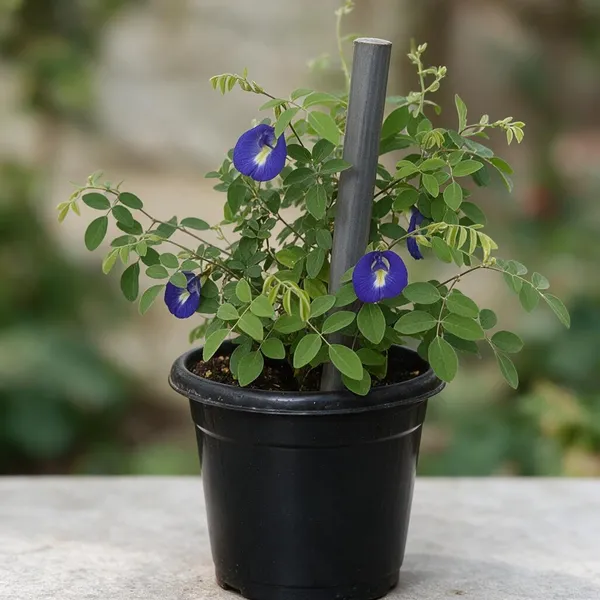
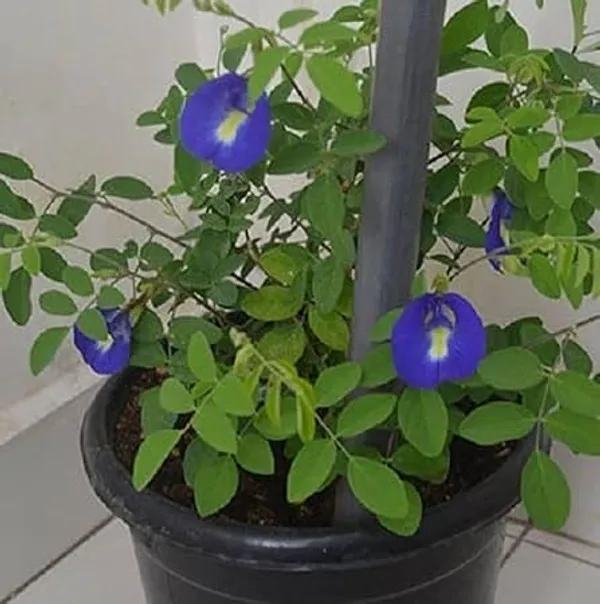
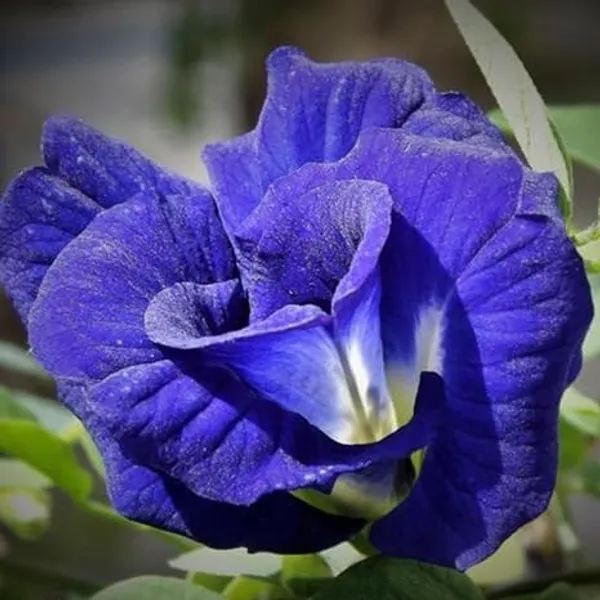
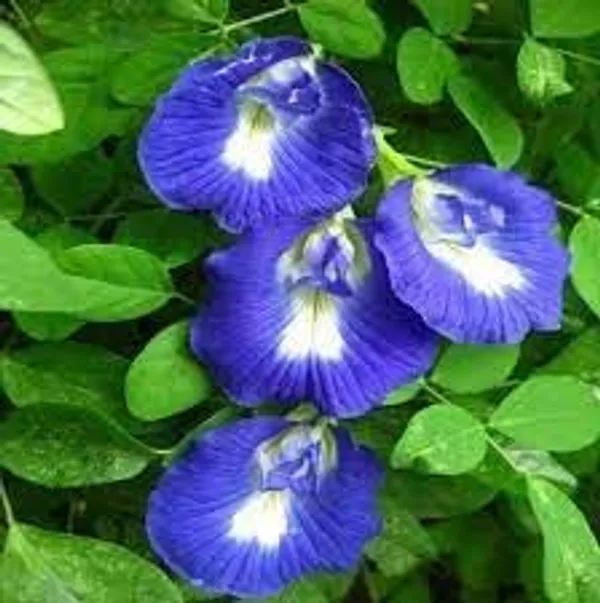
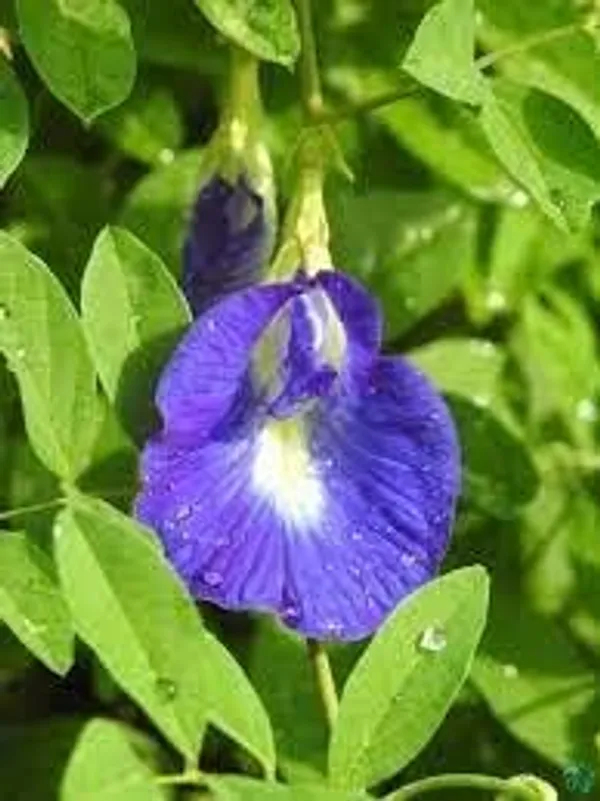
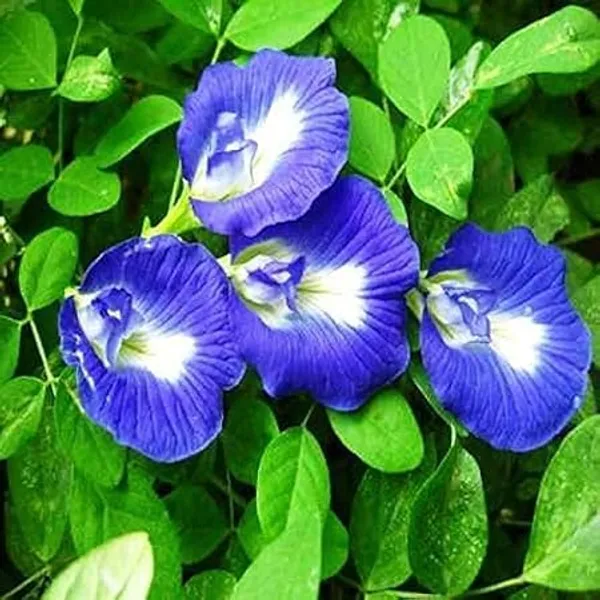
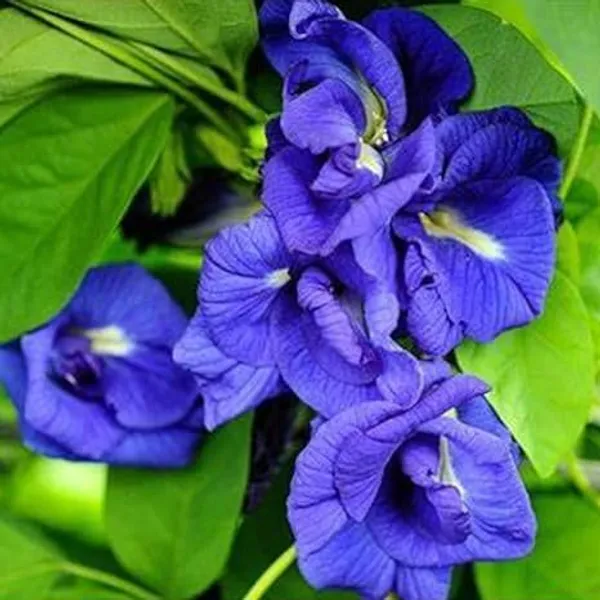
- Flowers: The most distinctive feature of the Aprajita plant is its vibrant, butterfly-shaped flowers. These flowers are typically bright blue, though there are white varieties as well. The flowers are approximately 2-3 inches (5-7.5 cm) in diameter and have a unique appearance with a central yellow or white spot.
- Growth Habit: The Asian pigeonwings is a perennial climbing vine that can also grow as a trailing or creeping plant. It typically reaches a height of 6-9 feet (1.8-2.7 meters) and can extend along supports or spread along the ground.
- Medicinal And Culinary Uses: The Asian pigeonwings plant has a long history of traditional medicinal use. It is believed to possess several health benefits, including acting as a mild sedative, an anti-inflammatory agent, and potentially enhancing memory. The flowers are also used to prepare herbal teas, which are rich in antioxidants and may have a calming effect. In some cuisines, the flowers are used to color rice or desserts naturally.
- Butterfly Pea Tea: One of the most popular uses of Aprajita is for making "Butterfly Pea Tea." This tea is known for its striking blue color and is made by steeping the dried flowers in hot water. The tea can change to purple or pink when lemon juice is added due to the pH-sensitive pigments in the flowers.