
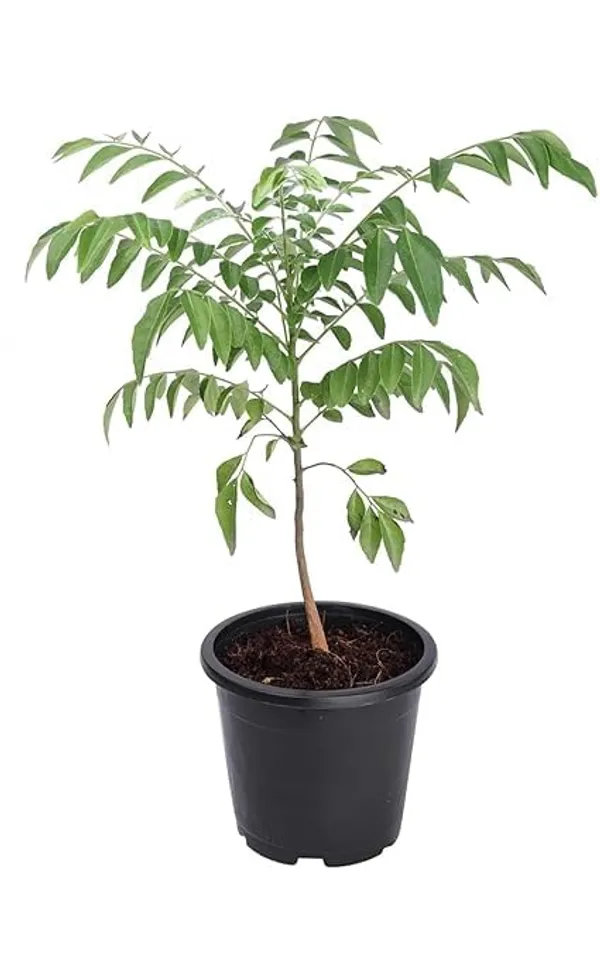
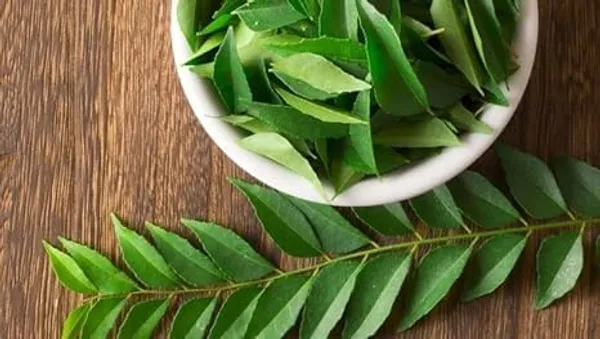
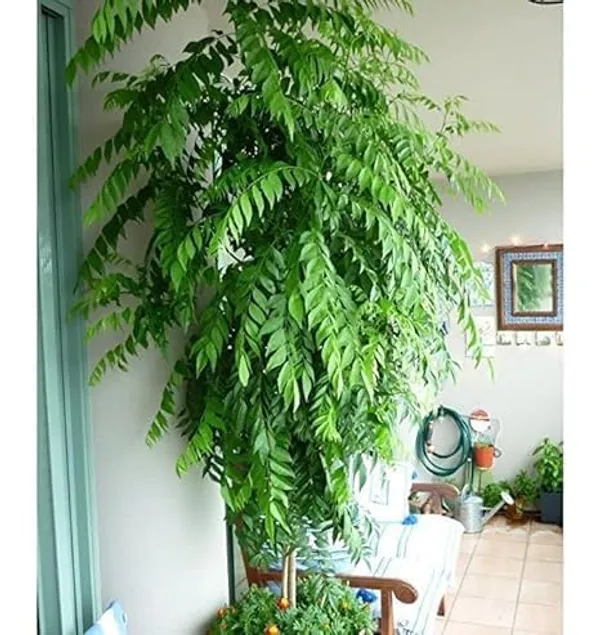
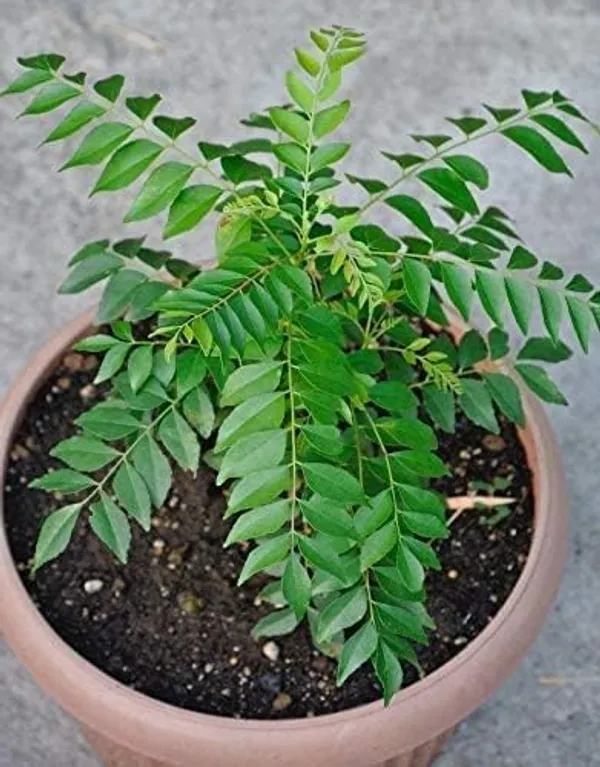

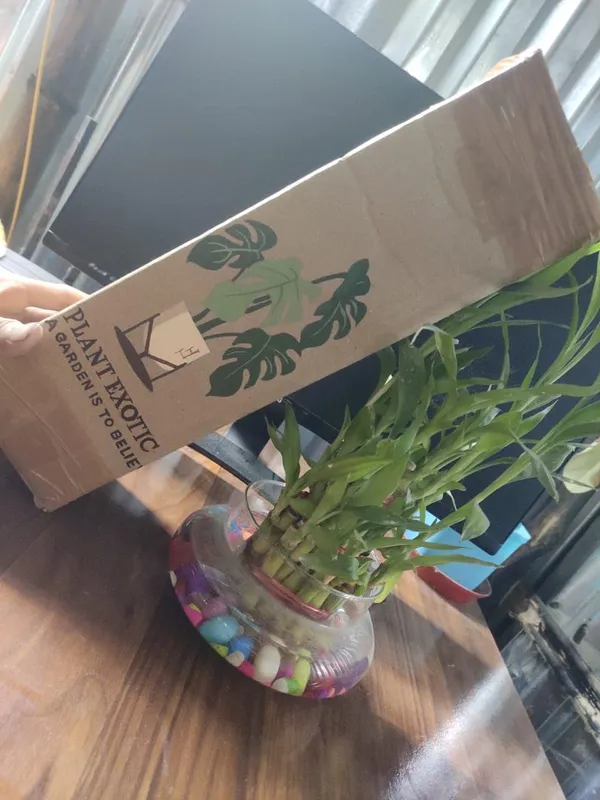

Curry Leaf Plant With Pot
₹399
₹638.40
37% OffFinal Price inclusive of all taxes
Cash on Delivery
Free Delivery
Get it delivered in 3-6 days
size
Sappling
Product Information
brand
PLANT EXOTIC
country
INDIA
pack
1
ideal
Outdoor
Product Description
Plant Exotic In the natural tropical conditions, the curry leaf plant is hardy when matured and doesn’t die even in the severest of conditions like drought, extreme temperatures, and infertile soil. Here are some additional tips for growing curry leaves. 1.Don’t overwater it, especially in winter. 2.Let the soil dry out during water spells as it likes well-drained dry soil. 3.Plant it in a small container and then regularly update the size as the plant progress its growth. 4.Place it (colder zones) indoors or in a greenhouse in winter. 5.Use compost and good quality nitrogen-rich fertilizer for lush green foliage. 6.Don’t plant it in the windy spot when the plant is young, as it grows upright and has weak limbs and trunk.
- Curry Leaves Plant Is Not At All Fussy When It Comes To Soil Requirements And Will Flourish In Any Type Of Soil. For Best Growth, Plant It In A Well: draining and fertile medium.
- While The Plant Is In The Growing Stage, You Have To Water It Regularly. After 3: 4 months, water only when the topsoil feels a bit dry to touch. Once the plant attains maturity, you don’t have to worry about watering much.
- Curry Leaves Don’T Require A Regular Dosage Of Fertilizer. Use Nitrogen: rich fertilizer in a month or two to boost growth. Also, don’t fertilize in the dormant stage of the plant, which occurs in the winter in cooler areas.
- Feature: Regular pruning or picking of leaves is essential to promote fresh foliage growth. Cut off dead leaves and branches from the curry leaf plant to maintain it.
- May Help 1.Reduce The Risk Factor For Heart Diseases 2.Helpful To Control Blood Sugar Levels 3.Contains Anti: Inflammatory Compounds 4. Provides Anti-Bacterial Properties 5.Helps in Relieving Pain 6. Contains Neuroprotective Components