



Tamarind Fruit Plant
₹399
₹638.40
37% OffFinal Price inclusive of all taxes
Cash on Delivery
Free Delivery
Get it delivered in 3-6 days
size
Sappling
Product Information
brand
PLANT EXOTIC
country
INDIA
pack
1
ideal
Outdoor
Product Description
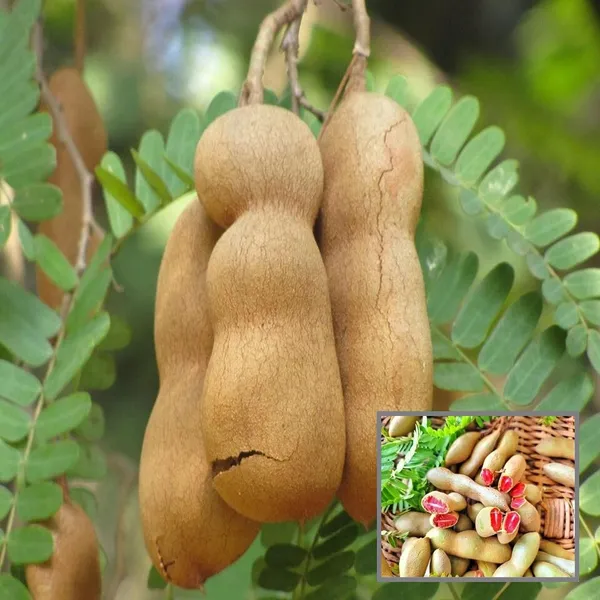
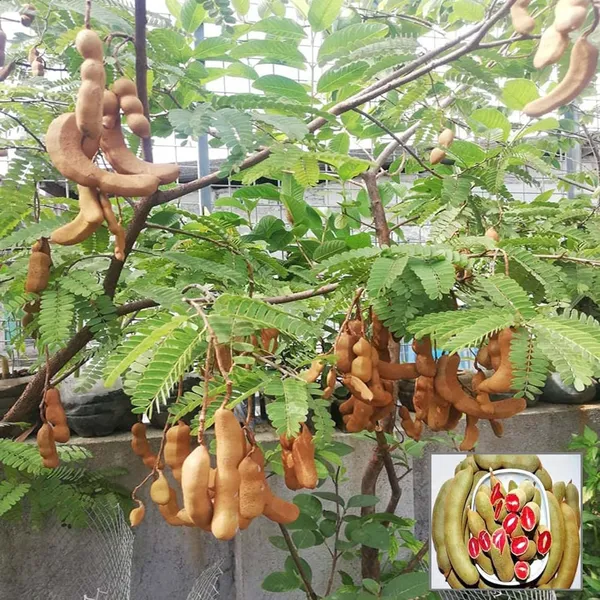
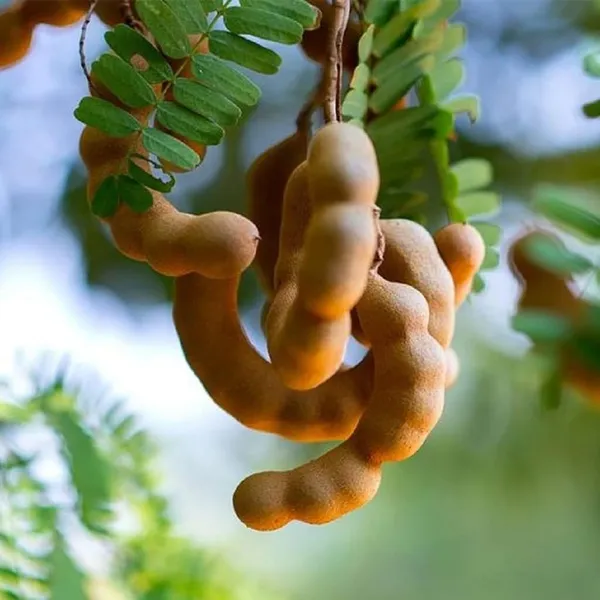
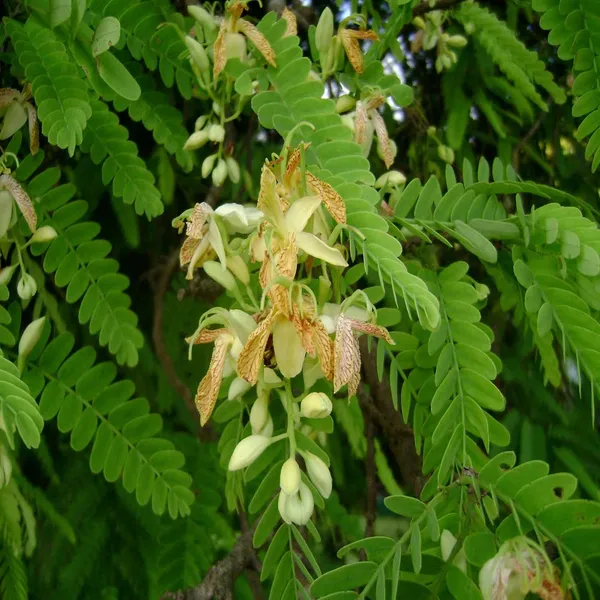
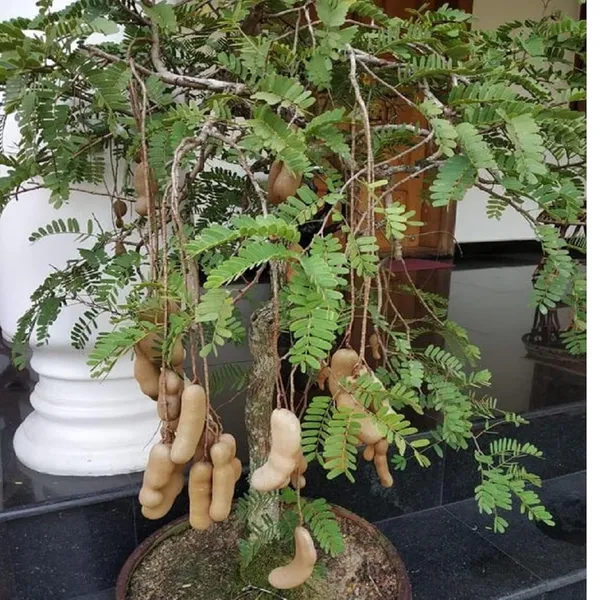
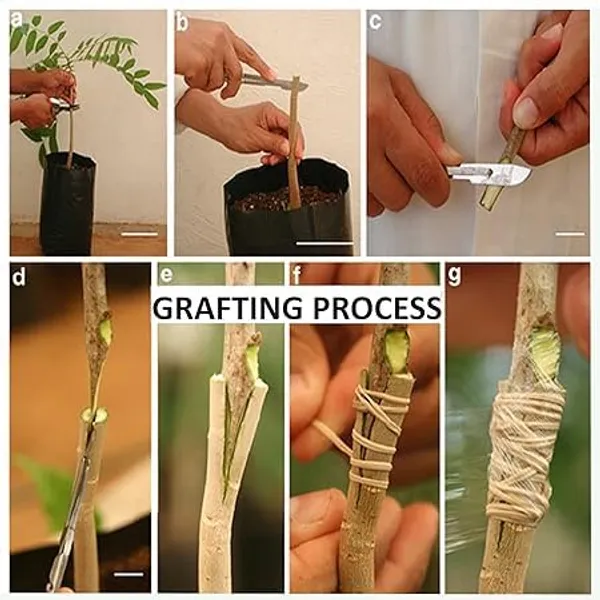
The graceful tamarind tree (Tamarindus indica) is believed to have originated in Africa and is now cultivated in many parts of the tropical world. Although in the legume family, it does not fix nitrogen; however, its many attractive qualities make it a splendid addition to the large permaculture garden. It is one of the most useful of tropical trees – for shelter, shade, food firebreaks, fuel wood, forage, fodder, bee food and mulch. Leaves, flowers and immature pods are eaten as vegetables, while these items plus the bark and roots have medicinal properties. Also of high ornamental value, this semi-evergreen dome-shaped tree has graceful weeping branches that almost touch the ground. It can grow to 25m in height and 7.5 m trunk circumference on rich deep soils and live for hundreds of years. The leaves, which form the dense ferny foliage, are 7.5 – 15 cm long with leaflets in 10 – 12 pairs. The flowers which are yellow striped with red are held in a raceme. Cultivation and Propagation The tamarind needs a dry season to prosper and has great drought resistance – it is ideal for semi-arid regions (but may require some irrigation). It will recover from frosts if protected when young, greater cold tolerance developing with age. Tropical conditions are preferred. It prefers to grow on its own, being not very compatible with other trees. It tolerates most soils, as long as they are free draining. Propagation is by means of seeds, which retain viability many months when kept dry. Seedling trees are slow to bear fruit; however, young trees can be shield-budded for more precocious bearing. A mature tree can bear about 160kg (350lb) of fruit annually. Harvesting Fruit
- Feature: Red Sweet Tamarind typically refers to a ripe, sweeter variation of tamarind with a reddish hue. It offers a milder tang compared to regular tamarind, perfect for snacks, candies, or sweetened dishes, showcasing a balanced sweetness and slight tartness.
- Feature: For a plant that can adapt to various Indian climates and soil types, while also being suitable for growing in a garden or a pot.
- Quality Assurance & Expert Guidance: Rest assured with our quality-checked tamarind plants. Each tree undergoes meticulous inspection to meet our high standards. Additionally, gain access to expert gardening tips and guidance to ensure your tamarind tree flourishes, creating a rewarding and flavorful oasis in your garden.
- Feature: Creating a secure packing method for shipping plants with proper ventilation is crucial for ensuring the health of the plants during
- We Promise A Healthy Genuine Variety Plant. Leaves May Look Dry Post: transport, but with care, it will thrive again!.