


Turkish Fig Plant
₹399
₹638.40
37% OffFinal Price inclusive of all taxes
Cash on Delivery
Free Delivery
Get it delivered in 3-6 days
size
Sappling
Product Information
brand
PLANT EXOTIC
country
INDIA
pack
1
ideal
Outdoor
Product Description
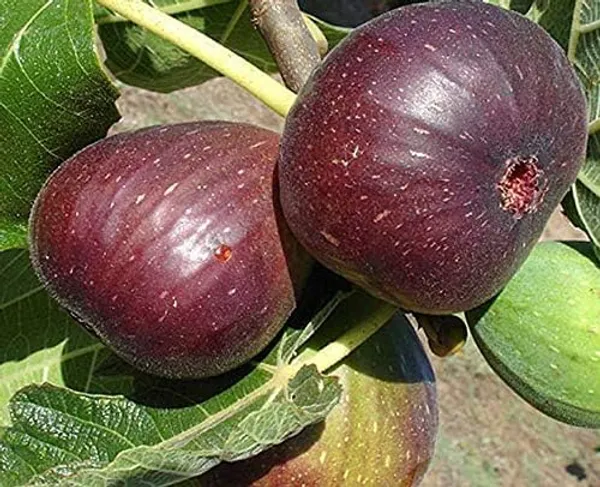
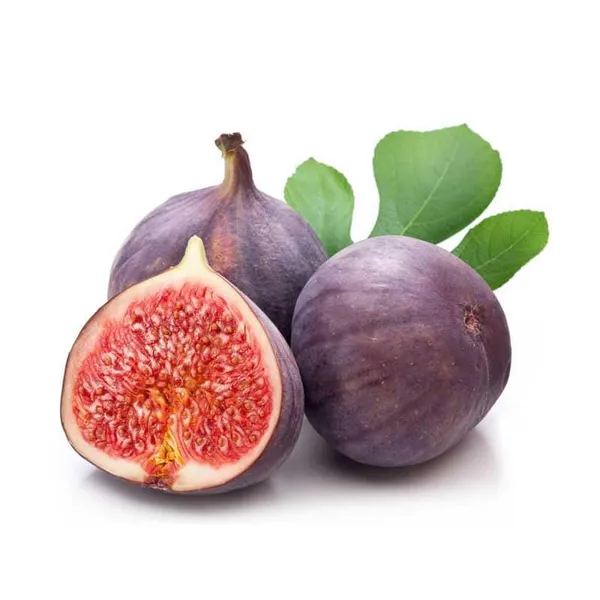
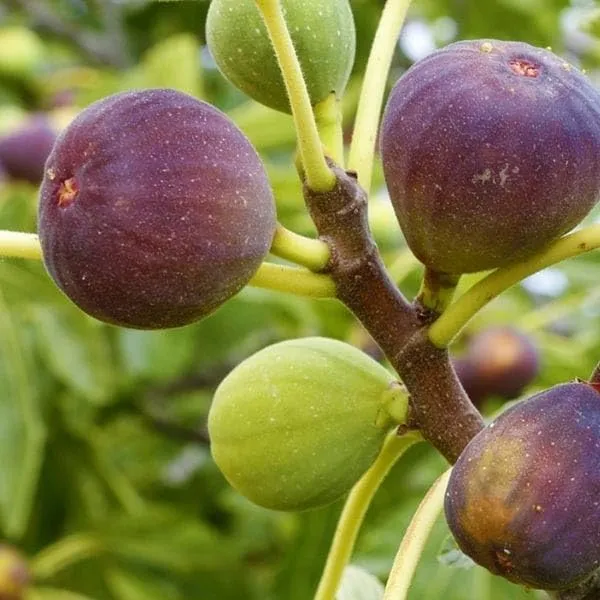
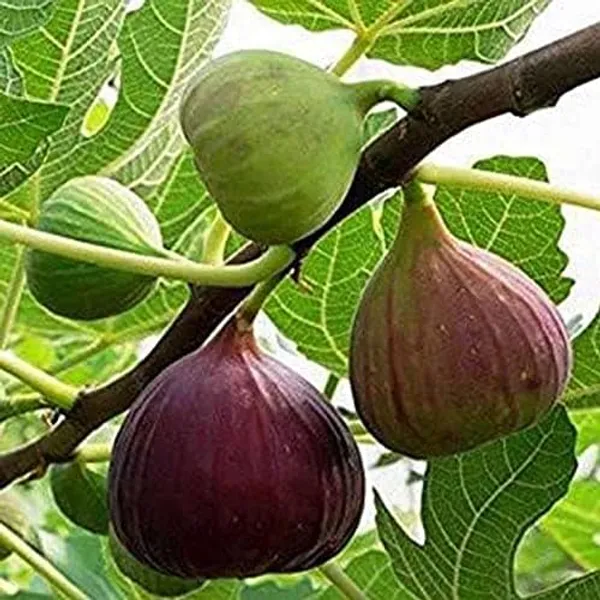
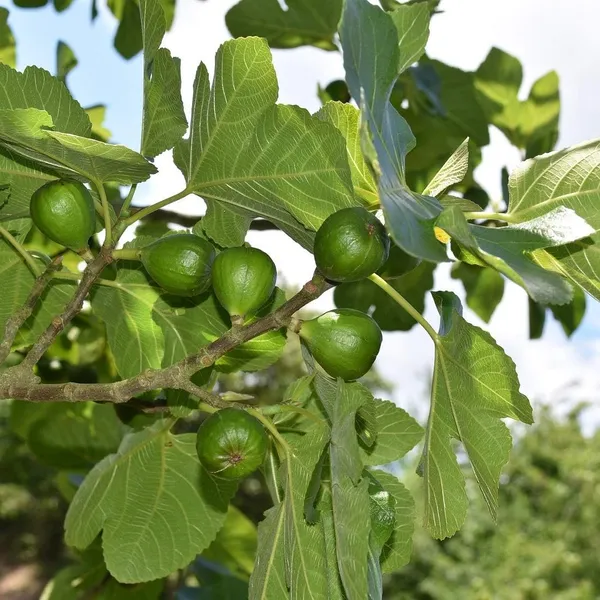
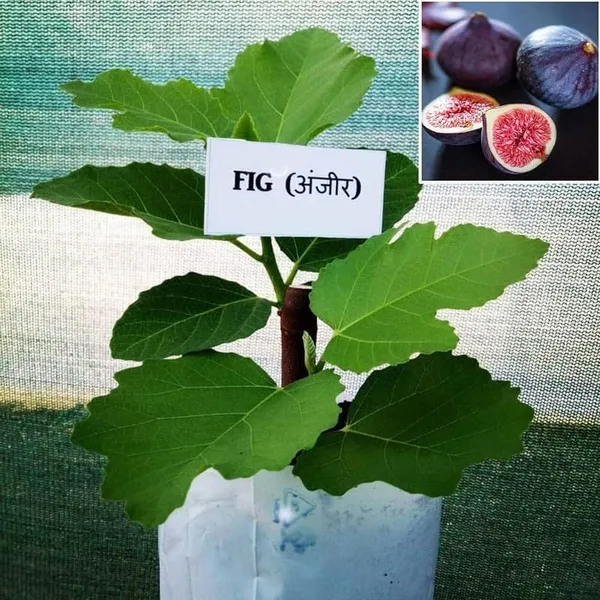
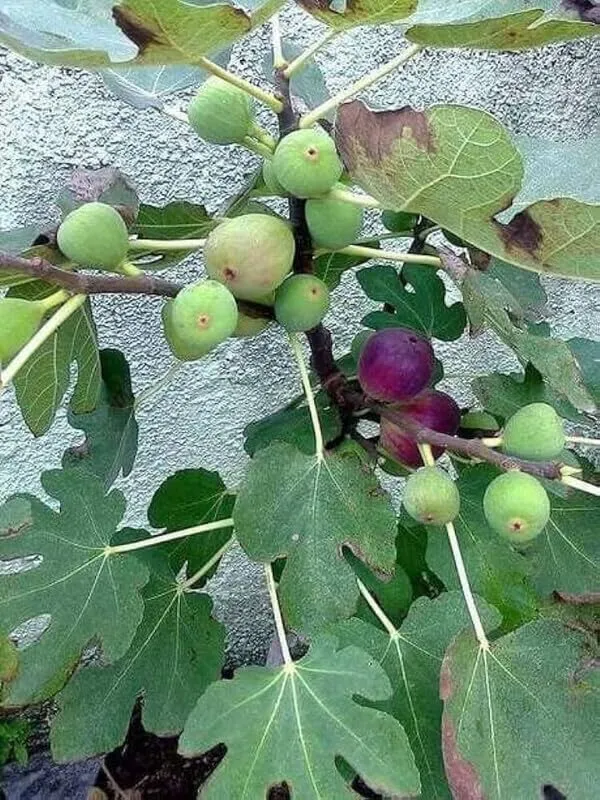
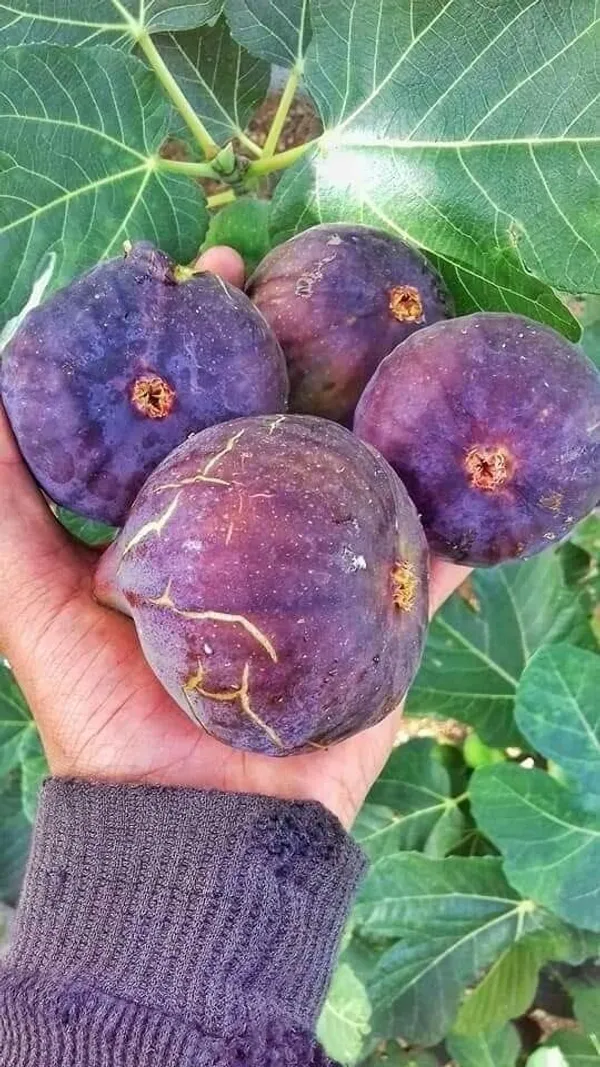
The Anjeer plant, scientifically known as Ficus carica, is a remarkable fruit-bearing tree that is commonly referred to as the fig plant. Renowned for its sweet and luscious fruit, the Anjeer plant has been cultivated for centuries and holds great significance in various cultures and cuisines. The Anjeer plant is native to the Mediterranean region and belongs to the Moraceae family. It is a deciduous tree that can reach a height of 10 to 30 feet (3 to 9 meters) and has a spreading canopy of large, lobed leaves. The tree produces unique fruit known as figs, which are technically inverted flowers enclosed within a fleshy, pear-shaped structure called a syconium. Anjeer fruits are highly prized for their delectable taste and rich nutritional content. They have a distinctive sweetness and a succulent, chewy texture. The fruit's skin is thin and varies in color, ranging from green to purple, while the flesh inside is often pink or amber, filled with small, edible seeds. Anjeer fruits can be consumed fresh, dried, or used in various culinary preparations, including desserts, salads, jams, and preserves. Cultivating Anjeer plants requires a warm, subtropical climate with full sun exposure and well-drained soil. They are known for their resilience and adaptability, thriving in a wide range of environments. The trees are often propagated through cuttings or grafting onto rootstocks to ensure desirable traits and optimal fruit production. In addition to their delightful taste, Anjeer fruits offer several health benefits. They are a rich source of dietary fiber, essential minerals such as potassium and magnesium, and vitamins like vitamin K and vitamin B6. Figs are known for their natural sweetness and can be a healthier alternative to refined sugar when used as a sweetener in various recipes. They are also believed to have antioxidant and anti-inflammatory properties, contributing to overall well-being.
- Feature: Monitor for pests like aphids, scale insects, and spider mites. Watch for diseases like root rot and fungal infections.
- Feature: Loosen the topsoil without disturbing the roots of the plant so it can uptake the nutrients and moisture easily.
- Fertiliser. It Would Help If You Fertilised Anjeer Plants Regularly To Produce Healthy Growth And Abundant Fruit. Use A Balanced, Slow: release fertiliser in the spring and again in the summer. Avoid over-fertilising, which can lead to excessive leaf growth and fewer anjeer fruit.
- High-Quality Live Plant: Our Anjeer/Deanna Fig (Ficus carica) plant is grown with utmost care and expertise to ensure its quality and health. It is a big size fruit live plant that will add a touch of elegance to any garden or indoor space
- Soil: As already mentioned, the anjeer plant grows well in well-draining soil that contains loads of organic matter. To prepare the best soil for plant growth of the anjeer, enrich the soil with well-rotted manure or compost-rich soil. You can also incorporate an Ugaoo organic potting mix.